
What is energy certification?
Energy certification is an official process that evaluates the energy performance of a property, assigning it an energy class - normally between A+ (most efficient) and F (least efficient).
The energy certificate analyses various factors that influence energy consumption and interior comfort, such as:
- Quality of thermal insulation
- Type of windows and frames
- Heating, cooling and hot water systems
- Ventilation and solar exposure
- Estimated energy needs of the building
In addition to the rating, the document includes improvement recommendations, helping owners reduce consumption and increase home comfort.
When is the energy certificate mandatory?
In Portugal, legislation determines that the energy certificate is mandatory in several situations related to the use and transaction of properties.
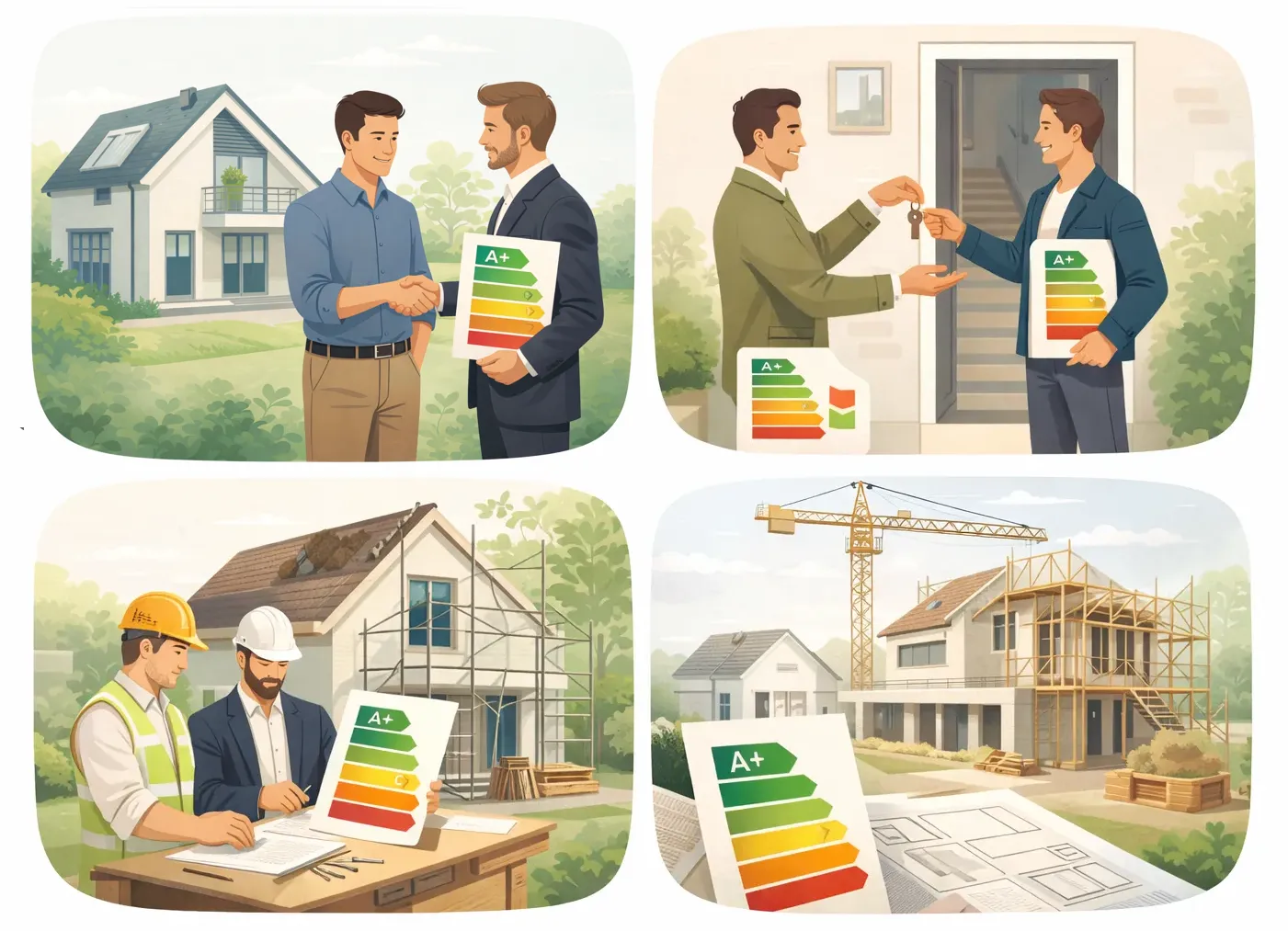
Sale of properties
The energy certificate is mandatory whenever a property is put up for sale. It must exist:
- Before the publication of property listings
- At the time of signing the promissory contract (when applicable)
- Mandatory at the deed of sale
The energy class must appear in all property promotion materials, including online listings and real estate agencies.
Rental of homes or commercial spaces
As with sales, the energy certificate is required for rental contracts. It applies to:
- New rental contracts
- Renewals with relevant contractual changes
- Rental of autonomous fractions or complete buildings
The landlord must present the certificate to the future tenant before signing the contract.
Construction of new buildings
For new buildings, energy certification occurs in two phases:
- Project: energy assessment during licensing
- Completed building: issuance of the final certificate before the use licence
Without a valid energy certificate, it is not possible to obtain the property's use licence.
Major renovation or rehabilitation works
Energy certification becomes mandatory when significant works are carried out that alter the building's thermal behaviour, such as:
- Full property rehabilitation
- Interventions on the thermal envelope (facades, roofs or floors)
- Widespread replacement of technical systems
- Relevant extensions of the usable area
In these cases, the certificate evaluates performance after the intervention.
Situations where the energy certificate is not mandatory
Although required in most real estate transactions, there are some exceptions provided for in legislation, including:
- Buildings in ruins or without conditions for use
- Properties intended for proven demolition
- Garages, storage rooms and uninhabitable annexes
- Industrial or agricultural buildings with low energy needs
- Places of worship or temporary buildings
Even in these situations, documentation proving the exception may be required.
Why is it important to comply with the legal obligation?
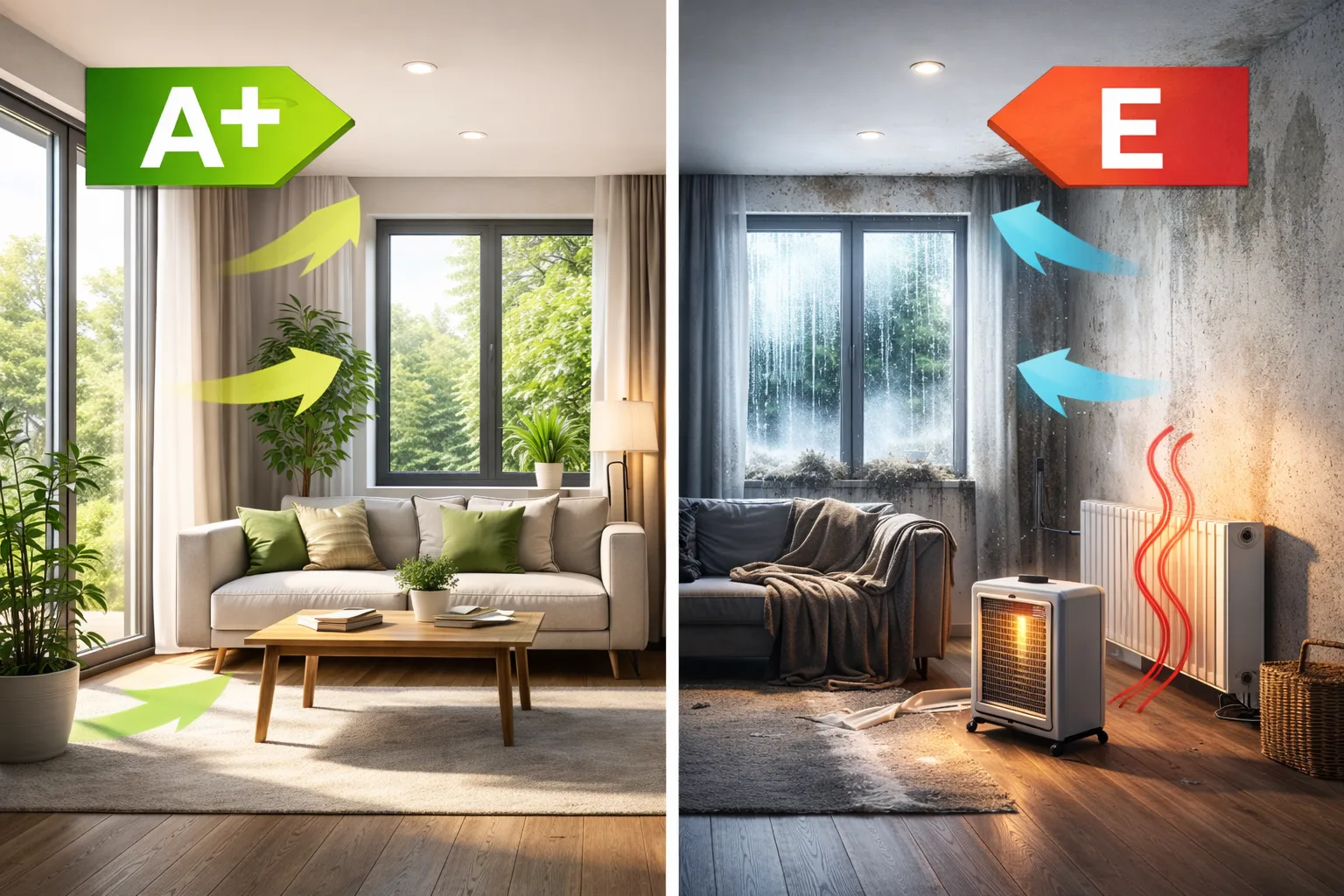
In addition to being a legal requirement, energy certification brings practical advantages for both owners and buyers and tenants.
- Information transparency: Allows advance knowledge of estimated energy costs, level of thermal comfort and need for future interventions.
- Property valuation: Properties with better energy ratings tend to be sold or rented more quickly, have higher market value and attract more informed buyers.
- Reduction of consumption and emissions: The recommendations included in the certificate help guide improvements that reduce energy expenses and environmental impact.
Consequences of not having an energy certificate

The absence of an energy certificate when mandatory can result in:
- Fines applied by the competent authorities
- Legal impossibility of completing a sale or rental
- Subsequent contractual and legal problems
Therefore, certification should be arranged before initiating any real estate process.
When to request the energy certificate
The ideal is to request the energy certificate in the early stages of any property-related process:
- Before putting the property on the market
- During the planning of rehabilitation works
- When preparing documentation for sale or rental
- Whenever you want to improve the energy class
Early assessment allows identifying simple improvements that can significantly increase energy performance.
Energy certification as a decision-making tool
More than a legal obligation, energy certification is a technical tool that helps understand how the building functions and where improvements can be made.
With specialised support, the certificate becomes a strategic guide for:
- Reducing energy consumption
- Improving interior comfort
- Planning rehabilitation investments
- Enhancing real estate assets in the long term
In a context of rising energy costs and greater environmental requirements, knowing the energy performance of your home is an essential step for more informed and sustainable decisions.