
Phase 1: Preliminary Study and Concept
In this initial phase, the architect analyzes the land, legal limitations, client needs, and available budget to define the project's foundations.
- Land survey and feasibility analysis
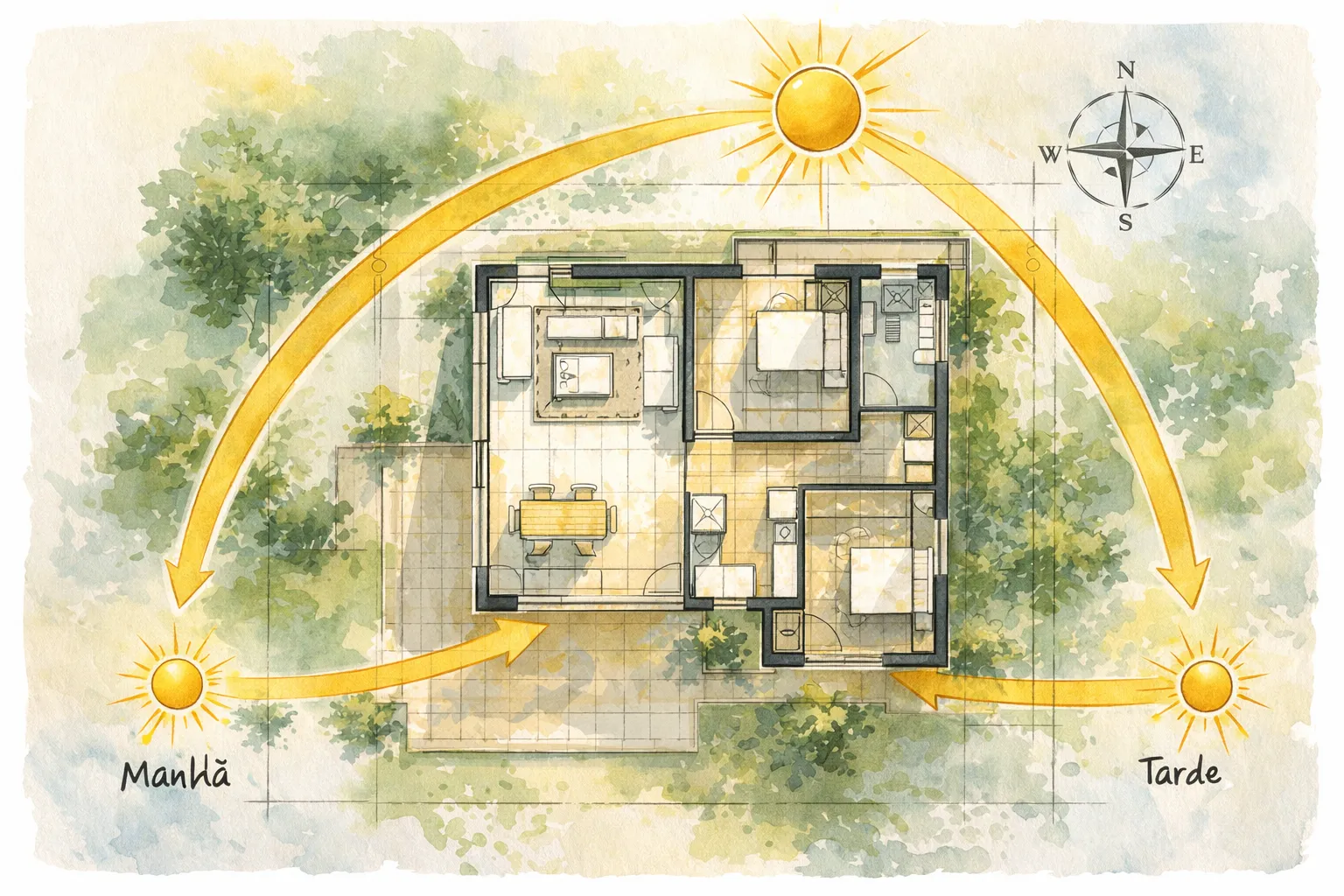
- Solar orientation study, views, and integration into the environment
- Definition of the client's needs program
- First conceptual proposals and sketches

Phase 2: Design Development and Construction Documents
The architect transforms the initial concepts into detailed solutions, including floor plans, sections, elevations, and technical specifications.
- Architectural plans, sections, and elevations
- Solar orientation and energy efficiency
- Materials, finishes, and sustainable solutions
- Coordination with engineers and technical consultants
Phase 3: Licensing and Approval
The architect prepares and submits all necessary documentation to the competent authorities for legal approval of the project.
- Preparation of licensing processes
- Submission of plans and descriptive memories
- Communication with city councils and regulatory entities
Phase 4: Coordination and Construction Supervision
During the execution of the work, the architect ensures that the project is built as planned, maintaining quality, safety, and efficiency.
- Construction supervision and monitoring of execution
- Coordination of the technical team and contractors
- Resolution of contingencies and project adjustments
- Ensuring compliance with norms and standards

The Value of the Architect
The architect does not just design a building, but ensures that each phase of the project is thought out to maximize comfort, efficiency, aesthetics, and sustainability, protecting the client's investment and ensuring the final quality of the home.